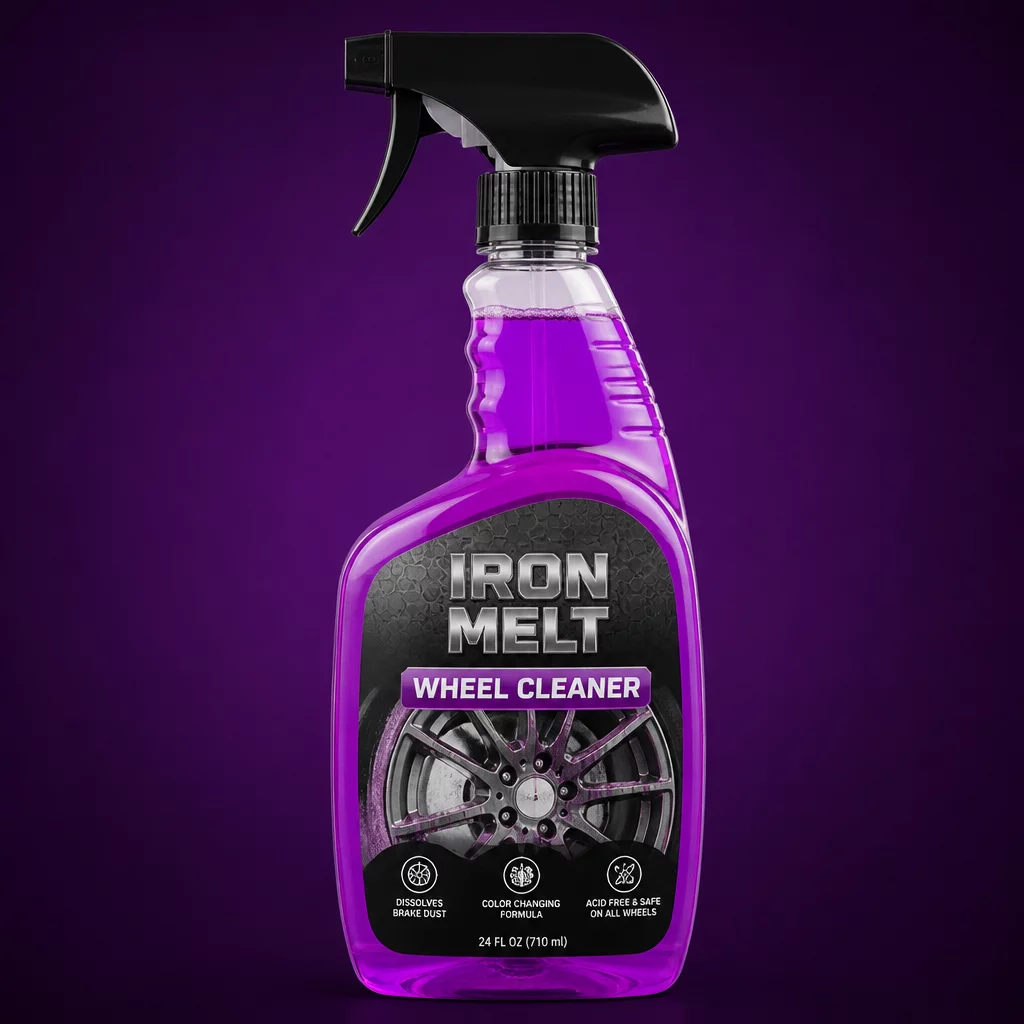
IronMelt Wheel Cleaner
Fast-acting iron fallout remover and wheel cleaner that turns vivid purple upon contact with sintered iron particles, safely dissolving baked-on brake dust without aggressive acids.
Chemical Profile & Performance
IronMelt Wheel Cleaner represents an advanced approach to chemical decontamination of painted alloys, polished aluminum, clear coats, and powder-coated rims. Brake dust consists largely of microscopic, razor-sharp metallic particles shed from discs and pads at extreme temperatures. When these hot particles embed into wheel clear coats, standard automotive soaps fail to dislodge them.
Our reactive chelating formula targets these ferrous bonds directly. As the chemical reaction takes place, the clear liquid shifts to a deep crimson purple, signaling that embedded metallic iron is converting into a water-soluble complex that rinses away freely without aggressive agitation.
Non-acidic neutral formula prevents etching on anodized wheels, chrome, performance calipers, and factory clear finishes.
Thick, clinging surfactant matrix holds active chemistry on vertical wheel faces longer for maximum dwell power.
Formulated with cherry-masking aromatics to dampen the characteristic sulfur odor typical of iron fallout chelation.
Standardized Specifications
| Product ID | ac-05 |
|---|---|
| Category | Auto Chemicals / Decontamination |
| Active Mechanism | Sodium Thioglycolate Iron Chelator |
| pH Balance | 7.0 (Strictly Neutral) |
| Storage Temperature | 5°C – 25°C (Do not freeze or store under direct sunlight) |
| Origin | Formulated & Bottled in Canada |
Application Protocol & Precautions
- Inspect wheels before starting. Ensure rims and brake rotors are completely cool to the touch and out of direct sun.
- Shake the bottle well to evenly distribute the active chelating agents.
- Spray IronMelt Wheel Cleaner liberally across the rim face, spoke cavities, and wheel barrels.
- Allow the formula to dwell for 2 to 4 minutes while the chemical converts to a vibrant purple color. Do not allow product to dry on the surface.
- Agitate stubborn crevices with a soft wheel brush if heavy buildup exists, then pressure rinse thoroughly with clean water.
Chemical Solutions & Complements
Full Chemistry Line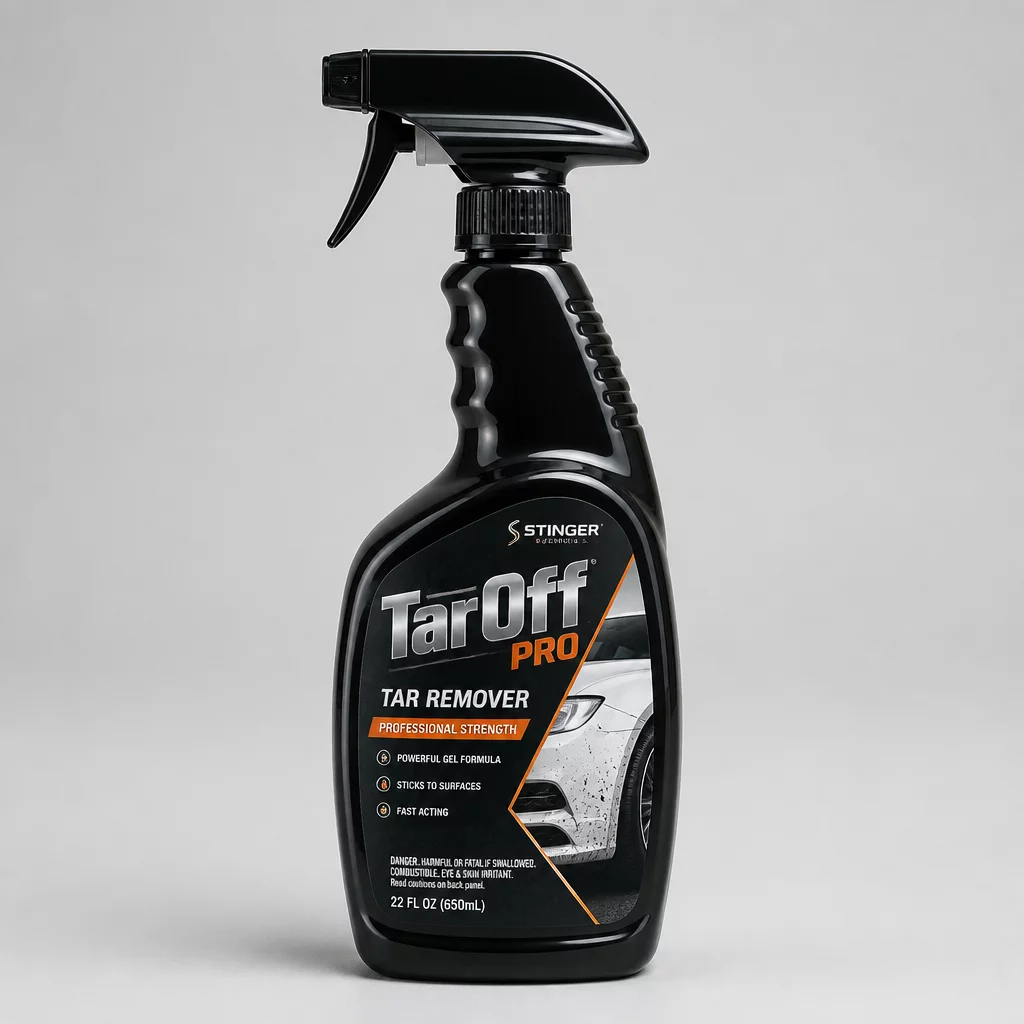
TarOff Pro
Heavy duty organic tar, bitumen, and rubber glue dissolver.
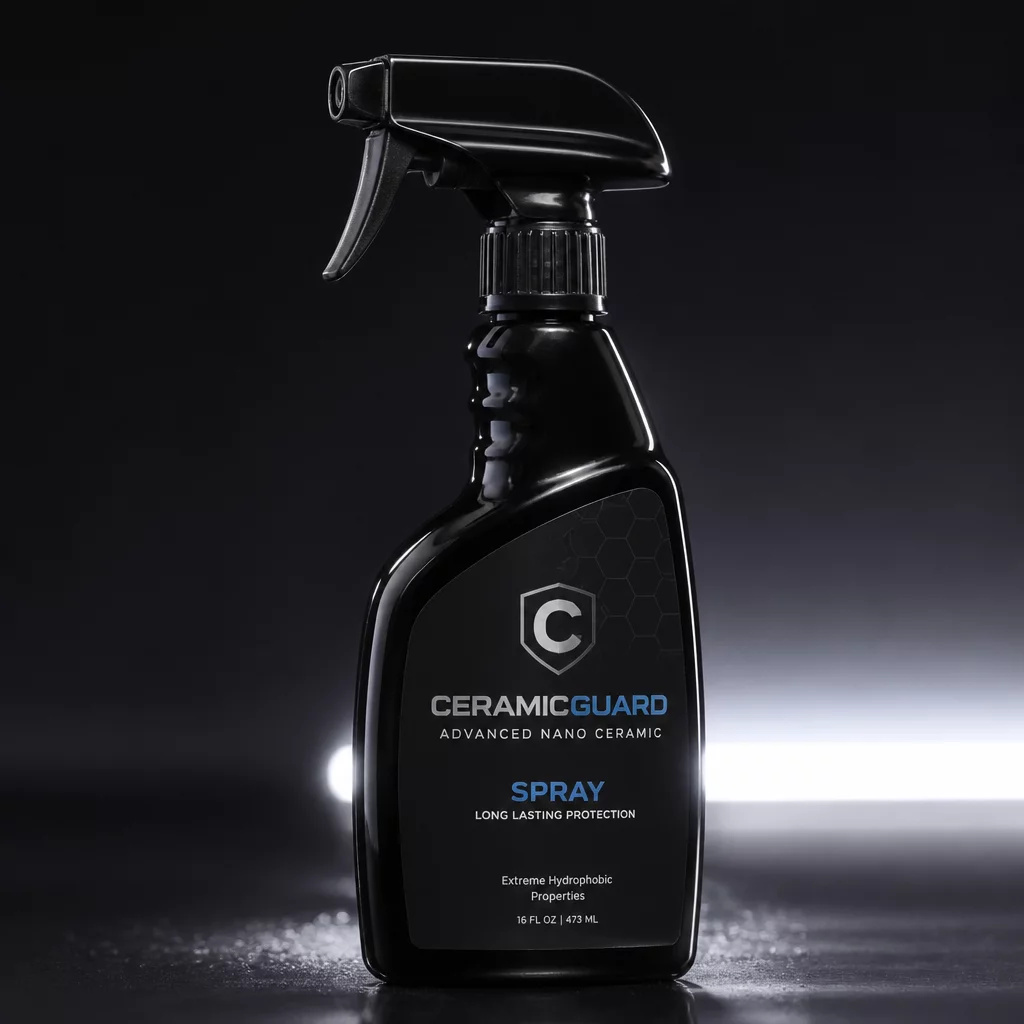
CeramicGuard Spray
Ultra-hydrophobic SiO2 quick sealant for long-term paint protection.
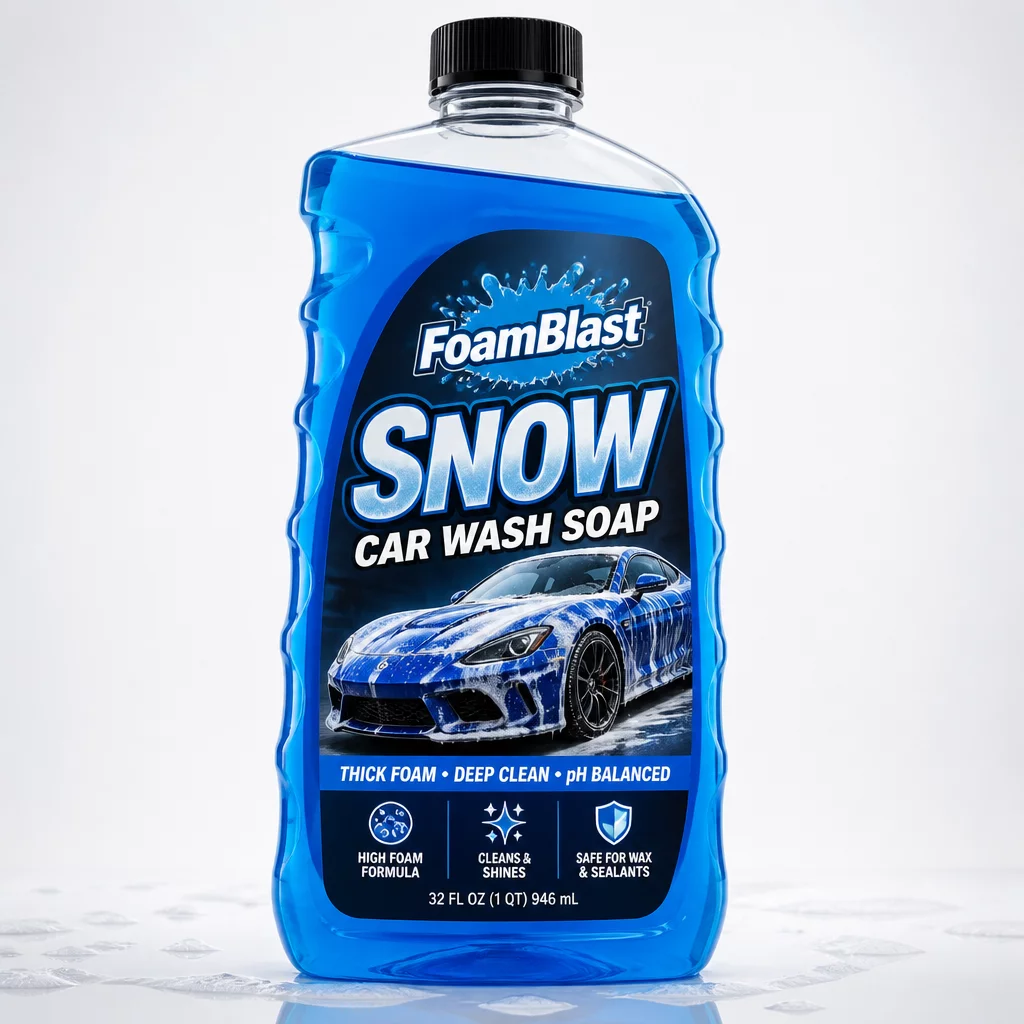
FoamBlast Snow
High-foaming pre-wash shampoo with lubricating polymers.
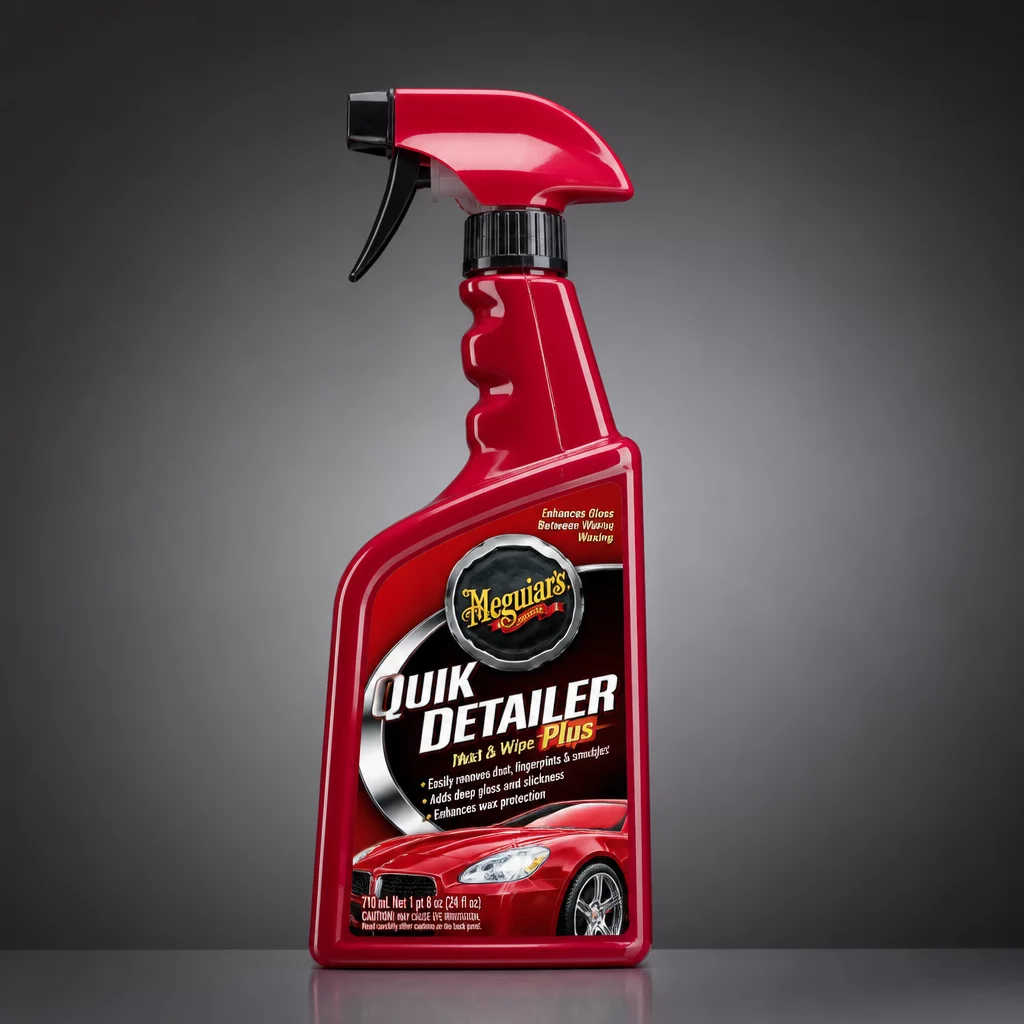
QuickDetailer Plus
Gloss enhancer and dust mist lubricant for flawless finish.