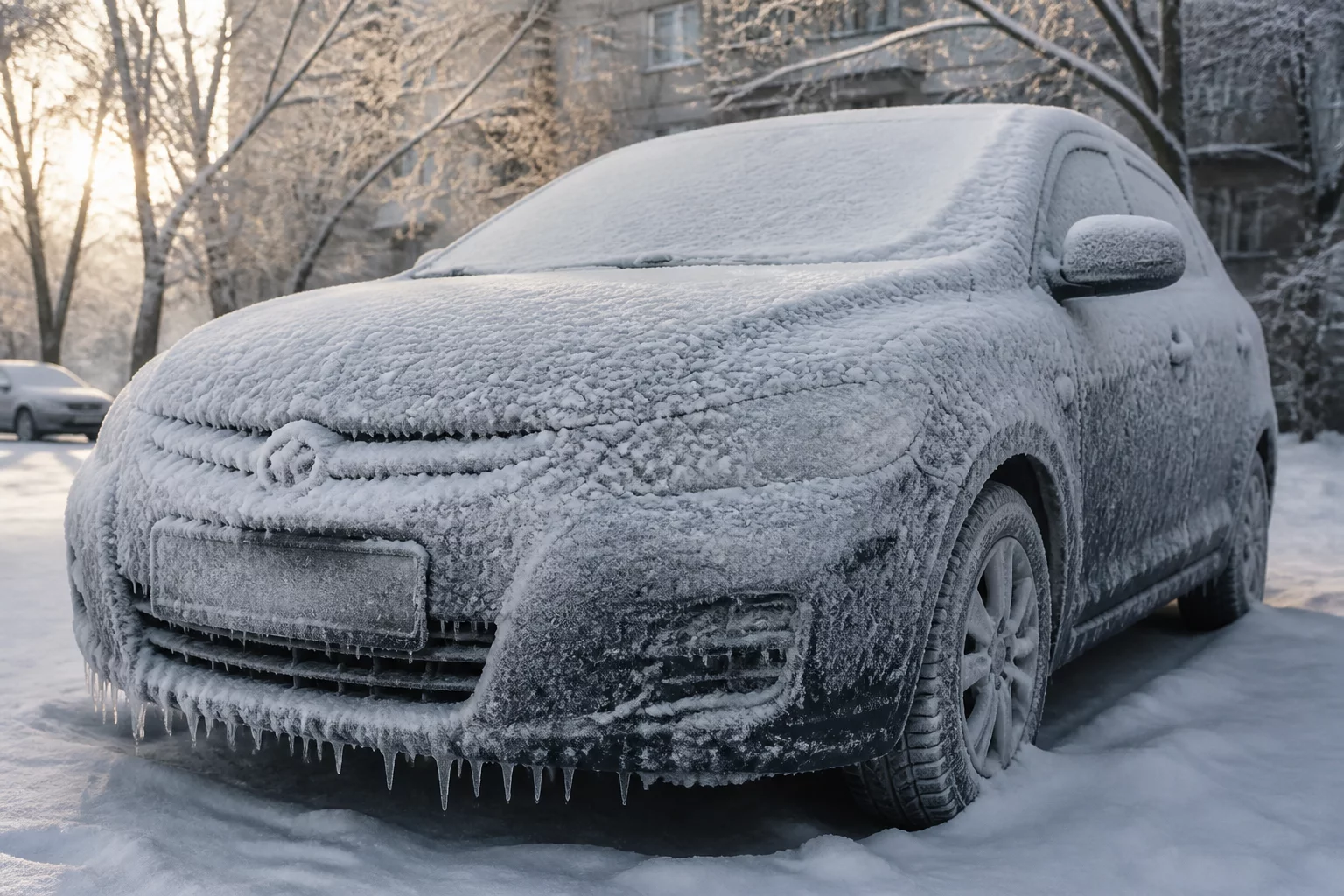
Winter months present severe challenges for automotive exterior finishes. Modern road maintenance relies heavily on magnesium chloride, calcium chloride, and rock salt mixtures. When combined with slush, snow grit, and fluctuating temperatures, these chemical agents adhere aggressively to body panels, brake components, and exposed structural fasteners, initiating rapid oxidation and clear coat pitting.
1. Establishing a Resilient Base Barrier
Preparing exterior panels before the first persistent snowfall is essential for paint longevity. Organic carnauba waxes break down quickly when exposed to sub-zero moisture and salt spray. Synthetic ceramic coatings and silica-infused polymer sealants provide a much denser cross-linked protective matrix.
- Deep Decontamination: Remove embedded industrial fallout and mineral deposits with dedicated iron dissolvers and citrus pre-washes prior to applying protection.
- Hydrophobic Surface Coating: Apply synthetic sealant layers evenly across clean paint, plastic headlight lenses, and painted body trim.
- Wheel Sealant Coverage: Coat alloy faces and internal wheel barrels to prevent baked-on brake dust and corrosive slush from pitting the clear finish.
2. Safe Washing Techniques in Cold Weather
Frequent washing remains necessary throughout winter, but improper mechanical agitation can drag abrasive road grit across fragile clear coat surfaces. Always avoid boiling or excessively hot water on freezing windshields and body panels, as abrupt thermal expansion can crack automotive glass.
Start each wash with a thick coating of alkaline or neutral snow foam through a dedicated cannon. Allow the foam dwell time to dissolve crystallized salts and loosen grit particles before executing a high-pressure rinse. When executing a contact wash, use a dual-bucket setup with grit guards and plush microfiber mitts, rinsing the mitt frequently in clean rinse water.
3. Preserving Rubber Seals and Weatherstripping
Moisture frequently penetrates door jams, trunk seals, and window channels, causing rubber gaskets to freeze directly to metal frame edges. Tearing a frozen seal damages vehicle sound insulation and invites water leaks.
Clean all weatherstripping thoroughly with mild interior cleaner and apply a dedicated silicone or synthetic rubber dressing. This condition treatment restores elasticity, prevents rubber dry rot, and repels standing moisture so doors open smoothly even during extreme cold snaps.
4. Interior Moisture and Salt Residue Control
Snow tracked into vehicle cabins melts into carpet fibers, fostering high interior humidity and stubborn white salt stains. Replace plush fabric floor mats with deep-dish rubber liners during winter. Treat existing white crusts with an acidic carpet neutralizer rather than hot water alone, as neutralizing chemical salts prevents long-term fiber deterioration and carpet mildew.